

Dental veneers can improve the appearance of your smile. When done well, they look natural and blend seamlessly with your natural teeth. But not all veneers deliver the results patients hope for. In some cases, problems develop gradually. In others, the signs of bad veneers are obvious almost immediately.
Understanding the signs of bad veneers can help you protect your oral health and avoid further complications. Whether you have porcelain veneers, composite veneers, temporary veneers, or permanent veneers, knowing what to watch for makes all the difference.
Let’s explore what bad veneers look like, how they affect your dental health, and when it is time to see a cosmetic dentist.
When Veneers Look “Off”: The Unnatural Appearance Red Flag
One of the first signs of bad veneers is an unnatural appearance.
Well-designed veneers should sit naturally alongside surrounding teeth rather than appear overly noticeable.
If your current veneers look bulky, excessively opaque, too white compared to surrounding teeth, or strangely shaped, this may indicate poor craftsmanship or poor-quality veneers.
How High Quality Veneers Should Look
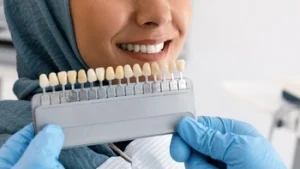 High-quality veneers are designed as thin shells that mimic the translucency and subtle shading of natural tooth enamel. Whether made from porcelain or composite resin, they should:
- Match the shape of your face
- Follow the natural curve of your gum line
- Blend with neighbouring teeth
- Complement your overall facial features
A balanced appearance often helps veneers blend more naturally with surrounding teeth. If your veneers create an artificial or exaggerated look, that is one of the most common signs of bad veneers.
Careful veneer planning considers your natural tooth structure, gum line, and facial proportions to support a more balanced appearance.
Gum Irritation and Redness: Your Gums Are Speaking Up
Gum irritation is another major warning sign.
If you notice redness, swelling, bleeding, or discomfort around both your veneers and natural teeth, something may not be right. Poorly fitted veneers can trap bacteria at the gum line, increasing the risk of gum disease and oral health issues.
Why Poorly Fitted Veneers Cause Problems
When veneer placement is inaccurate, small gaps may form between the veneer and the underlying tooth structure. These spaces allow plaque and bacteria to accumulate. Over time, this can lead to:
- Gum irritation
- Persistent bad breath
- Early gum disease
- Tooth decay near the edges
Maintaining good oral hygiene becomes more difficult when veneers are misaligned or bulky. Even patients with good oral hygiene habits may struggle if the veneers themselves are poorly contoured.
If your gums feel tender months after veneer placement, it is worth seeing a dentist immediately.
Sensitivity That Does Not Settle
Mild sensitivity can occur after dental procedures, especially if the natural tooth structure was reshaped. However, persistent or worsening sensitivity is one of the important signs of bad veneers.
If hot or cold drinks cause sharp pain long after treatment, this could indicate:
- Excessive removal of natural tooth structure
- Improper bonding
- Exposed tooth structure beneath the veneer
- Cracked veneers
Porcelain veneers and composite veneers should protect damaged teeth, not create new discomfort. When sensitivity lingers, it may signal oral health complications developing beneath the surface.
Cracked or Chipped Veneers
Cracked veneers are not always dramatic. Sometimes the veneer develops a fine crack that is difficult to detect at first. Other times, the veneer chips at the edge or near the gum line.
While veneers are designed to be durable, especially porcelain veneers, they are not indestructible. Teeth grinding, poor bonding, or poor-quality materials can increase the risk of damage.
The Hidden Risk of Teeth Grinding
Teeth grinding places repeated pressure on both your veneers and natural teeth. Without protection, this habit can:
- Damage the thin layer of veneer material
- Loosen the bond between the veneer and the tooth
- Lead to misaligned veneers over time
If your veneers feel rough or uneven, or if you notice small chips, this may be an early sign of poor veneers. Left untreated, cracked veneers can expose the tooth structure beneath and increase the risk of tooth decay.
Discolouration at the Edges
One reason patients choose dental veneers is their stain-resistant quality. However, staining at the edges or dark lines near the gum line can occur when veneers are poorly sealed.
Composite resin veneers may stain more easily than porcelain or composite resin options with higher polish, but visible discolouration around the margins often indicates:
- Bonding failure
- Poor oral hygiene
- Poor craftsmanship
- Gaps between veneers and natural teeth
When the edge of a veneer darkens, bacteria may already be affecting the underlying tooth structure.
Teeth whitening treatments will not correct staining beneath veneers. This is why proper care and regular dental check-ups are essential.
Bad Breath That Does Not Go Away
Persistent bad breath can sometimes be linked to veneers and natural teeth that are not properly aligned.
If bacteria accumulate beneath poorly fitted veneers, they can contribute to ongoing odour despite maintaining good oral hygiene. This can signal underlying tooth decay or gum disease developing around the veneer placement.
Not all veneers cause this issue, but poor-quality veneers increase the likelihood of plaque traps.
If brushing, flossing, and professional cleanings do not resolve the problem, a dental clinic evaluation is recommended.
Loose or Shifting Veneers
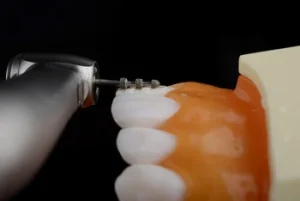 Veneers should feel secure. If your permanent veneers feel loose, lift at the edges, or shift slightly when you touch them, that is a clear warning sign.
Misaligned veneers or poorly bonded veneers can:
- Allow food particles underneath
- Expose damaged teeth
- Increase risk of oral health complications
- Lead to further complications requiring more complex dental procedures
In some cases, temporary veneers may feel less stable, but permanent veneers should not move once properly bonded.
Seeing a dentist promptly can prevent tooth decay and protect your overall oral health.
Pain When Biting or Chewing
Veneers should improve comfort, not create discomfort.
If biting feels uneven or painful, it could indicate misaligned veneers or poor adjustment after placement. Crooked teeth that were not properly corrected before veneer placement can also contribute to pressure points.
When your bite is unbalanced, both your veneers and natural teeth may be affected. This uneven pressure can damage the thin shells and strain surrounding teeth.
Pain during chewing is one of the more serious signs of bad veneers and should not be ignored.
Receding Gums Around Veneers
Over time, gum recession can expose the edges of veneers. While some recessions can occur naturally, poorly contoured veneers may accelerate the process.
If your veneers appear longer than before, or if you see a visible line between the veneer and gum tissue, this could indicate:
- Poorly fitted veneers
- Gum irritation from improper margins
- Gum disease that is triggered by plaque buildup
Receding gums expose the natural tooth structure beneath, increasing sensitivity and risk of decay.
Proper care and maintaining good oral hygiene can help reduce these risks, but veneer design plays a critical role.
Decay Underneath Veneers
Many patients assume veneers protect teeth completely from tooth decay. While veneers cover the front surface, they do not shield the entire tooth.
Poor oral hygiene, combined with poor craftsmanship, can allow bacteria to infiltrate the tooth structure beneath the veneer.
Signs of decay under veneers may include:
- Persistent sensitivity
- Darkening at the edges
- Gum swelling
- Bad taste in the mouth
When this occurs, the veneer may need removal to address the underlying dental health issue.
Prevent tooth decay by maintaining good oral hygiene and attending regular dental check-ups.
Overly Aggressive Tooth Preparation
Sometimes the problem is not visible but lies in the veneer process itself.
An overly aggressive reduction of natural tooth structure can weaken teeth permanently. High-quality veneers require only a minimal thin layer of enamel removal in most cases.
Excessive preparation may:
- Increase sensitivity
- Raise the risk of fracture
- Compromise long-term dental health
An experienced dentist prioritises preserving natural tooth structure wherever possible.
When Veneers Do Not Match Your Smile
Veneers often feel more balanced when they align with your expectations and facial features. But bad veneers can create emotional discomfort, too.
If your smile feels unnatural or does not reflect your personality, it may not simply be cosmetic preference. Poor design, shade mismatch, or incorrect proportions may be at play.
Cosmetic dentistry should align with your aesthetic preferences and facial features, not leave you second-guessing your appearance.
Not All Veneers Are Created Equal
It is important to remember that not all veneers are the same.
Differences exist in:
- High-quality materials
- Laboratory craftsmanship
- The skill of the cosmetic dentist
- Planning and diagnostic process
Porcelain veneers are generally more stain-resistant and longer lasting, while composite veneers can be more affordable but may require more maintenance.
Choosing between porcelain and composite resin should involve careful discussion about oral health, lifestyle habits like teeth grinding, and long-term expectations.
The Importance of Proper Care
Even high-quality veneers require proper care.
Maintaining good oral hygiene is essential for protecting both your veneers and natural teeth. This includes:
- Brushing twice daily
- Flossing carefully around veneers
- Avoiding biting hard objects
- Wearing protection if you grind your teeth
- Scheduling professional cleanings
Regular dental check-ups allow your dentist to monitor veneer placement, gum health, and overall oral health.
Without proper care, even well-placed veneers can develop problems over time.
When to See a Dentist Immediately
You should contact a dental clinic and see a dentist immediately if you notice:
- Sudden pain
- Swelling around the veneers
- Visible cracks
- Loose veneers
- Persistent bleeding
- Signs of bad veneers affecting your bite
Addressing issues early can prevent further complications and reduce the need for more invasive dental procedures.
Can Bad Veneers Be Fixed?
Yes, in many cases, bad veneers can be corrected.
Depending on the issue, solutions may include:
- Recontouring or polishing composite resin
- Replacing poorly fitted veneers
- Treating gum disease
- Managing tooth decay
- Adjusting bite alignment
A thorough assessment by an experienced dentist is the first step. In some situations, replacing poor-quality veneers with custom veneers made from high-quality materials can restore both function and appearance.
Protecting Your Overall Oral Health
Veneers are part of your dental health picture, not separate from it.
They sit on top of your natural teeth. The health of the tooth structure beneath, the gum line, and the surrounding tissues determines long-term success.
Good oral hygiene, professional cleanings, and honest communication with your cosmetic dentist all contribute to a healthy smile that lasts.
How Veneers Interact With Existing Teeth
Dental veneers sit over the front surface of teeth, but the condition of the underlying enamel still plays an important role in long-term function. Weak enamel, untreated cavities, or structural wear may affect how securely veneers bond over time. Before treatment begins, dentists usually assess whether the surrounding tooth structure can adequately support the restoration.
Both porcelain and composite veneers rely on stable foundations to function properly. If the supporting enamel is already compromised, the veneer may become more vulnerable to lifting, staining around the edges, or uneven wear. This is one reason why some patients experience ongoing tooth sensitivity after treatment, particularly if the teeth were already fragile beforehand.
Changes affecting the bite can also influence how veneers interact with neighbouring teeth during daily use. Even subtle pressure imbalances may place strain on veneer edges over time. A careful assessment of bite function, enamel condition, and wear patterns helps reduce unnecessary stress on both veneers and surrounding teeth.
Why Healthy Gums Influence Veneer Longevity
The condition of the gums can influence how veneers look, feel, and function over time. Healthy gum tissue creates a more stable frame around the teeth, helping veneers sit more naturally along the gum line. If the gums are irritated before treatment, changes in tissue shape may affect how the final veneers fit against the teeth.
Active plaque buildup, untreated decay and gum disease, or ongoing inflammation may increase the likelihood of complications after veneer placement. Bacteria near the gum line can affect both the veneers and the natural tooth structure beneath them. This is why many dentists recommend stabilising oral health concerns before beginning cosmetic treatment.
Persistent gum inflammation may also make cleaning around veneers more difficult. In some cases, swollen tissue can create small pockets where plaque accumulates more easily. Maintaining healthy gums through regular dental visits and home care routines helps support the long-term condition of veneers and surrounding tissues.
Understanding Material Differences Between Veneers
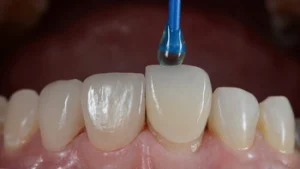 Different veneer materials behave differently over time, particularly when exposed to daily wear, staining foods, and pressure from chewing. The choice between materials often depends on cosmetic goals, enamel condition, bite patterns, and long-term maintenance preferences rather than appearance alone.
Porcelain veneers typically maintain their surface polish longer and resist external staining more effectively than composite materials. Composite veneers, however, may be easier to adjust or repair in certain situations. Each material comes with different maintenance considerations, which is why treatment planning usually involves discussing lifestyle habits and long-term expectations before proceeding.
Material thickness can also affect how veneers blend with surrounding teeth. Some restorations require slightly more preparation depending on the position and alignment of the teeth beforehand. Dentists also consider colour matching carefully so the veneers sit naturally beside nearby teeth under different lighting conditions. A personalised approach helps create restorations that work in balance with facial features, bite movement, and everyday function.
Small changes in veneer shape or thickness can sometimes affect speech during the adjustment period. Certain sounds may feel unfamiliar at first while the tongue adapts to the new tooth surface. In most cases, this settles naturally over time, particularly when veneers are designed with careful attention to spacing, bite balance, and tooth proportions.
Final Thoughts: Trust Your Instincts About Your Smile
Your smile should feel comfortable, balanced, and natural.
If something feels wrong with your current veneers, do not ignore it. The signs of bad veneers can range from subtle aesthetic concerns to serious oral health complications.
When veneers are crafted with precision, placed thoughtfully, and supported with proper care, they can improve the appearance of damaged teeth while blending more naturally with surrounding teeth. But when corners are cut or poor craftsmanship is involved, problems can surface.
Listening to your body, watching for early warning signs, and seeking professional advice promptly can help you protect both your veneers and natural teeth. A healthy smile involves more than appearance alone. It is about comfort, stability, and long-term overall oral health.
If you are concerned about your veneers or would like a professional assessment of your smile, please contact us on (07) 5300 2133 to arrange an assessment of your veneers and surrounding oral health.
References
https://www.mdpi.com/2306-5354/10/2/168
https://www.sciencedirect.com/science/article/abs/pii/S0109564120300592