

Tooth pain can interrupt everything from meals to concentration at work, often signalling that professional care is needed. A root canal treatment helps relieve infection and preserve your natural tooth, restoring comfort and function. Many people then ask, “How long does a root canal take?”
While it’s a common treatment, the process may feel unfamiliar if you’ve never needed one before. Root canal therapy is designed to ease discomfort while saving a natural tooth that might otherwise be lost.
The time required depends on several factors, but most root canal treatments can be completed comfortably within a single visit. Knowing how the process unfolds helps you feel more confident before scheduling your appointment and understanding why your dentist recommends this approach.
What Influences the Length of a Root Canal Appointment
The average root canal appointment takes around 30 to 60 minutes, though certain conditions can extend the treatment. Each tooth is unique, and several clinical factors affect how long your dentist spends cleaning and sealing the canals.
Understanding these details helps you prepare for your visit and appreciate the precision behind every step.
 The condition and structure of the affected tooth
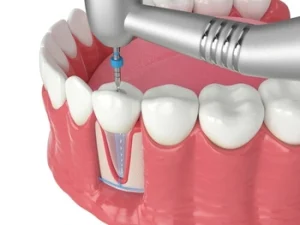 The condition and structure of the affected tooth
When an infected tooth has deeper damage or more extensive decay, the dentist may need extra time to clean and shape the inner chambers. The location also matters: front teeth usually have a single canal, while molars have several, each requiring attention. Treating a tooth that has been previously restored or fractured adds further complexity. Treatment focuses on keeping your natural teeth intact by clearing the infected pulp and halting bacterial spread.
Diagnostic assessment and anaesthetic preparation before starting
Before the root canal procedure begins, the dentist performs a full evaluation using X-rays to study the shape of the canals and detect hidden canals or curved roots. This planning prevents complications later.
Time is also spent ensuring the area is fully numb, so you stay comfortable from start to finish. A dental dam is positioned to keep the tooth dry and isolated, helping the dentist work precisely without saliva affecting visibility or instruments.
Complexity of the canal system and the number of roots treated
Teeth differ not just in size but in their internal pathways. Multiple canals or fine, branching structures often require more detailed cleaning. These variations are why most root canals on back teeth take slightly longer than those on front teeth.
Each canal must be shaped and disinfected completely to achieve a successful root canal treatment and prevent reinfection. When more than one root is involved, additional time is allocated to allow for careful instrumentation.
Situations requiring additional appointments for complete care
Sometimes the condition of the tooth or severity of infection makes a single visit unrealistic. If swelling is present or the canal system requires extra medication, the dentist may recommend more than one visit for proper healing. Temporary material is placed between appointments to keep the treated tooth stable until the final restoration is fitted. These steps safeguard long-term success and preserve the tooth’s natural structure.
The Step-by-Step Root Canal Procedure Explained
Once your treatment plan is confirmed, your dentist begins the root canal with precision and care. Every stage serves a purpose, working to remove infection, seal the space, and protect your tooth for years to come.
Accessing and isolating the affected tooth
The process begins by isolating the damaged tooth with a protective barrier. A small opening is created to access the pulp chamber without disturbing neighbouring teeth.
This step allows the dentist to locate each canal and confirm the extent of infection. The surrounding gums and tissues are carefully protected to prevent contamination during the procedure.
 Cleaning and shaping the canals to remove infection
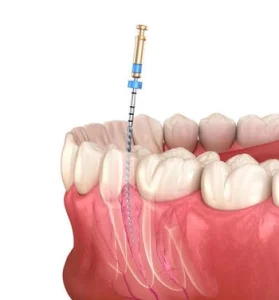 Cleaning and shaping the canals to remove infection
After gaining access, the dentist uses fine instruments to clear the canals of any infected tissue and shape them for filling. This stage removes traces of infected tooth pulp while preserving the integrity of the surrounding structure. The cleaning also prevents bacteria from spreading into adjacent structures. Think of it as creating a fresh space inside the tooth so that sealing materials can bond securely and protect the root.
Sealing the canals to protect against reinfection
Once the cleaning is complete, the canals are filled with a biocompatible material that seals out bacteria. This forms the base for the permanent filling that keeps the tooth closed and stable.
The seal stops new infection from reaching the root and supports the structural strength needed for normal chewing. A comfortable tooth after this stage is usually a good sign that healing is underway.
Restoring the tooth with a filling or crown
Depending on the tooth’s location and level of damage, a permanent filling or permanent crown is placed for protection. The crown covers the treated tooth to prevent cracks and restore appearance. This stage is vital for maintaining function, particularly in teeth that experience heavy biting pressure. It’s also part of preventing future tooth loss and protecting your oral health.
Monitoring healing and scheduling review appointments
Once the entire procedure is complete, the dentist provides advice about your recovery period. You might notice mild discomfort for a short time, which can usually be relieved with over-the-counter medications. Your dentist’s advice often includes sticking to soft foods for the first few days to avoid pressure on the treated area.
Attending follow-up dental appointments helps monitor progress and confirm that the root canal therapy has stabilised the surrounding gums.
Taking the Next Step Toward Comfortable Treatment
 A root canal treatment doesn’t just stop tooth infection; it helps preserve your natural tooth and prevent further damage. The procedure removes the cause of tooth pain and restores normal function with precision and care. With good oral hygiene and regular reviews, most root canals remain strong for many years.
If you have a tooth that hurts or has been left untreated due to infection, it’s worth seeking advice early. For professional care and guidance on whether you need a root canal, contact our clinic today on (07) 5300 2133 to book an appointment and protect your oral health with confidence.
Note: Any surgical or invasive procedure carries risks. Before proceeding, you should seek a second opinion from an appropriately qualified health practitioner.
References
https://www.mayoclinic.org/diseases-conditions/tooth-abscess/in-depth/root-canal/art-20585454
https://www.medicalnewstoday.com/articles/142780