

Crooked bottom teeth are incredibly common, yet many people are surprised by just how much these small changes can influence their bite, comfort and confidence. Whether you are noticing tight spaces, shifting lower teeth or general misaligned teeth, understanding why bottom teeth tend to move and what you can do to correct them is the first step to achieving your desired smile.
Bottom teeth are particularly prone to teeth crowding because they sit in a narrow arch and are influenced by late erupting baby teeth, wisdom teeth and even everyday habits like teeth grinding and thumb sucking. The good news is that there are many gentle and effective treatment options to straighten your bottom teeth, protect your oral health and improve overall balance between your upper teeth and lower teeth.
In this guide, you will find practical explanations, supportive insights and a clear pathway towards straighter teeth that feel comfortable, functional and aligned.
Why Aligning Bottom Teeth Can Make a Bigger Difference Than Expected
It may seem like a cosmetic issue at first, but treating crooked bottom teeth goes far beyond improving appearance. The benefits extend into function, comfort and long-term wellness.
Better Cleaning and Reduced Tooth Decay
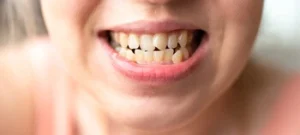 Tight spaces caused by teeth crowding make cleaning difficult. When food particles become trapped, plaque accumulates, and tooth decay becomes more likely. Straightening teeth supports good oral hygiene by making brushing and flossing more effective.
Lower Risk of Gum Problems and Bad Breath
Poor alignment is linked to gum disease since the gums become inflamed from trapped bacteria. This can result in bad breath and gum sensitivity. Aligning the teeth makes the gums easier to clean and less vulnerable to irritation.
Greater Comfort and Balanced Bite Function
When the teeth are not aligned, the jaw must work harder to chew, which may lead to jaw pain or discomfort during meals. Achieving proper teeth alignment helps the jaw work in harmony with both the upper and lower teeth.
Improved Confidence and a Picture-Perfect Smile
Straighter bottom teeth contribute to a natural and balanced smile. Many people report feeling more confident when both the top and bottom teeth appear aligned and comfortable. While a perfect smile is not the goal for everyone, achieving a healthier and more symmetrical look often feels rewarding.
What Causes Bottom Teeth to Shift Out of Alignment
Lower teeth are more likely to shift than top teeth due to natural changes in the jaw, habits and oral health factors. Understanding these influences helps you choose a treatment plan that suits your needs.
Natural Jaw Changes Over Time
As you age, your jaw experiences subtle shifts. These changes can push the bottom teeth inward or cause them to overlap. Even if your teeth were straight during your teen years, misaligned bottom teeth may appear later in life due to pressure from the jaw and surrounding structures.
Late Eruption of Baby Teeth and Wisdom Teeth
Even though baby teeth fall out early, their position can shape the long-term alignment of the permanent teeth. If baby teeth are lost earlier than expected or stay in place longer than they should, the adult teeth that follow may come through twisted or crowded. Wisdom teeth can also affect this process. As they grow, they may place pressure on the other teeth, causing crooked bottom teeth or tight spaces between the teeth.
Bite Problems and Poor Alignment
When the upper and lower teeth do not meet properly, poor alignment can develop. Bite issues can cause one part of the mouth to take on more pressure than intended, leading to tilting, rotation or shifting of the bottom teeth. With time, this may lead to discomfort in the jaw, uneven tooth wear and challenges maintaining thorough cleaning.
Daily Habits That Contribute to Misalignment
Behaviours like thumb sucking, grinding the teeth or applying prolonged pressure to the lower teeth can gradually push them away from their intended position. Teeth grinding especially forces the teeth to work harder, often leading to premature wear, misaligned teeth and discomfort along the jaw.
Gum Disease and Oral Health Concerns
Gum disease weakens the tissues and bone that support the teeth. When this support becomes compromised, the teeth may loosen or drift, causing misaligned bottom teeth. Good oral hygiene and routine dental visits reduce this risk and help protect your oral health.
Ways to Improve Alignment in the Bottom Teeth
There are several ways to straighten your bottom teeth depending on your comfort, goals and the complexity of your case. Each option has unique benefits and works best for certain types of misalignment.
Traditional Metal Braces
Traditional metal braces are commonly used for moderate to severe misaligned teeth. They are designed to apply gentle pressure through brackets and wires to move the teeth into their planned position over time. Metal braces are still considered a highly dependable orthodontic treatment, particularly when accurate tooth movement is needed or when there are notable crowding and alignment issues.
Ceramic Braces for a Subtle Appearance
Ceramic braces function similarly to traditional braces but use materials that blend with the natural tooth shade. They provide a more discreet approach while still delivering the strength needed to reposition crooked bottom teeth.
Lingual Braces for Hidden Treatment
Lingual braces are placed behind the teeth rather than at the front, making them a helpful choice for those who want a hidden option. They work like traditional metal braces but remain out of view, especially when straightening bottom teeth.
Clear Aligners and Removable Aligners
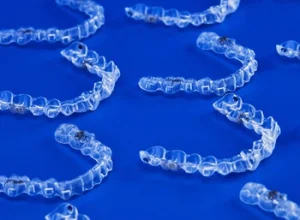 Clear aligners gradually move the teeth by using trays that are individually crafted to fit your mouth. These removable aligners allow people to continue eating and brushing normally, which supports good oral health and convenient oral hygiene. Invisalign clear aligners and similar systems are often used for mild to moderate misaligned bottom teeth, providing a flexible and comfortable treatment plan.
Invisalign Treatment for a Streamlined Approach
Invisalign treatment uses a series of aligners that gradually shift the teeth. This method is popular for those who want a discreet way to straighten bottom teeth without brackets or wires. Invisalign aligners are smooth, removable and designed for predictable teeth movement.
Dental Veneers for Minor Alignment Concerns
For very mild crooked teeth, dental veneers may help improve the appearance of the smile. Veneers do not straighten your teeth physically, but can create the look of teeth aligned when the misalignment is small. They are sometimes used when cosmetic improvement is the priority rather than orthodontic treatment.
Avoiding Unsafe Methods Like DIY Braces
DIY braces and unsupervised online methods can harm the gums, teeth and jaw. They may cause severe bite problems, tooth loss or long-term damage. Always seek advice from a dentist for a safe and controlled treatment plan.
What Happens During Orthodontic Treatment
Straightening teeth requires careful planning so the teeth move safely to their desired position.
Your Initial Assessment
Your dentist begins by examining the alignment of the bottom teeth, the spacing between them, the health of the gums and the relationship between the upper teeth and lower teeth. X-rays or digital scans help them analyse the jaw and identify the ideal path for straightening teeth.
Creating a Custom Treatment Plan
A custom-made treatment plan outlines how long the process may take, which treatment options suit your case and how the teeth will move over time. Every smile responds differently to movement, so the plan is designed to guide your teeth with precision and comfort.
Monitoring Progress and Making Adjustments
Orthodontic treatment requires periodic visits to ensure the teeth are moving as planned. Your dentist may make adjustments to wires, provide new aligner trays or refine the treatment plan as needed.
Keeping Your Teeth Healthy While Straightening
Good oral hygiene is essential throughout treatment. With proper care, your teeth and gums remain strong as they transition into their new position.
Tips for a Smooth and Healthy Journey
Brush twice daily and clean between the teeth to reduce trapped food particles. Attend regular dental check-ups to monitor gum health and prevent tooth decay. If you grind your teeth, wearing a night guard may help protect your teeth during treatment.
Moving Toward Your Desired Smile
Crooked bottom teeth may feel frustrating, but they can be corrected with safe and effective orthodontic care. With the right approach, you can straighten your bottom teeth, improve oral health and enjoy a smile that feels natural, balanced and comfortable.
If you are ready to explore the right approach for your smile, contact The Smile Workx at (07) 5300 2133 to arrange a personalised consultation. Our team can assess your needs and guide you through safe and effective options to help you enjoy lasting comfort, better oral health and a more confidently aligned smile.
References
Cleveland Clinic. (2022, April 21). Oral hygiene: Best practices & instructions for good routine. Retrieved from https://my.clevelandclinic.org/health/treatments/16914-oral-hygiene
American Association of Orthodontists. (2024, September 28). 7 common types of bite problems and their orthodontic solutions. Retrieved from https://aaoinfo.org/whats-trending/7-common-bite-problems/
Medical News Today. (n.d.). Metal braces: Uses, costs, benefits, and more. Retrieved from https://www.medicalnewstoday.com/articles/metal-braces-uses-costs-benefits-and-more-2
Mayo Clinic. (n.d.). Bruxism (teeth grinding): Symptoms and causes. Retrieved from https://www.mayoclinic.org/diseases-conditions/bruxism/symptoms-causes/syc-20356095