

Losing teeth can affect more than just appearance. Even a small gap left by tooth loss can change how your mouth feels, how easily you eat, and how confident you feel when you smile. For many people, partial dentures provide a practical way to replace missing teeth while keeping healthy teeth in place.
This guide explains what a partial denture is, how it works with natural teeth, and when it is commonly used.
When a Partial Denture May Be Appropriate
Partial dentures are usually considered when teeth have been lost due to decay, injury, or other dental problems, and some natural teeth remain healthy. In these situations, the focus is on replacing the missing teeth while continuing to use the teeth that are still present.
Spaces left by tooth loss can gradually affect how the remaining teeth line up and how the bite comes together. This may influence chewing balance and make certain areas harder to clean over time. For this reason, replacing missing teeth is often discussed once a gap has formed, even if it does not cause immediate discomfort.
A partial denture is often chosen when a removable option is preferred and when there is enough natural tooth structure to support the appliance. It may also be considered by people who want to restore function and appearance without moving straight to fixed or surgical tooth replacement treatments.
 Role of a Partial Denture in Tooth Replacement
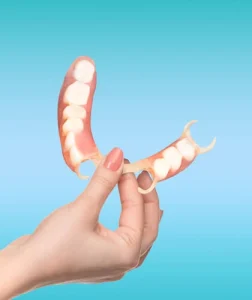 Role of a Partial Denture in Tooth Replacement
A partial denture is used to replace missing teeth when other natural teeth are still present in the mouth. Instead of covering all teeth, it is designed to fit around the remaining teeth and fill only the spaces where teeth are missing.
The denture holds artificial teeth in place and is supported by the teeth that remain. These supporting teeth help keep the denture steady during everyday actions such as eating and speaking.
By filling gaps, a partial denture helps the teeth work together more evenly. This can make chewing more comfortable and improve how the smile looks and feels.
Partial dentures are different from full dentures because they do not replace an entire row of teeth. They are shaped to sit against the gums and around existing teeth so they fit naturally within the mouth.
How Partial Dentures Work With Natural Teeth
Partial dentures are designed to work with natural teeth, not replace them. The denture sits between existing teeth and uses them for support.
Support features may include:
- Metal clasps or metal clips that gently hold onto teeth
- Acrylic clasps shaped to match teeth and gums
- A thin metal framework that adds strength without bulk
These features help keep the denture secure during normal mouth movements. When properly fitted, a partial denture should not tip or move excessively and should not feel loose.
Because partial dentures rely on existing teeth, keeping those teeth healthy plays an important role in long-term comfort and function.
Alternatives to Partial Dentures
Partial dentures are one of several ways to replace missing teeth. Other options may be discussed as part of dental treatment planning.
A fixed bridge replaces missing teeth by attaching replacement teeth to nearby teeth. This often involves placing two crowns on supporting teeth to hold the bridge in place.
Dental implants are another option. Implants are placed into the bone and can support crowns, bridges, or dentures. In some cases, implants may be combined with dentures for added stability.
A dentist can explain how these options differ structurally and whether they may suit your mouth, jaw, and oral health.
Cost Factors and Access to Treatment
The cost of a partial denture is worked out individually rather than set at a single standard price. This is because each denture is designed based on the number of teeth being replaced, the type of materials used, and how complex the overall design needs to be.
Choices such as using metal or acrylic components, along with how many teeth need replacement, can affect the total cost of treatment. The style of denture selected and the level of detail required in its construction also play a role in the final amount.
Rather than focusing on a fixed price, it is usually more helpful to understand what contributes to the overall cost. A dentist can explain the available options and how different design choices influence both the treatment approach and the expense, helping you choose a solution that suits your situation.
What It’s Like to Wear a Partial Denture
For most denture wearers, wearing a partial denture feels unfamiliar at first. This is normal. The mouth needs time to adjust to the new appliance, especially during the early days.
Some people notice:
- A sense of fullness in the mouth
- Mild changes in speech
- Increased awareness of the denture while eating
In the beginning, eating soft foods is often easier. Foods such as yoghurt, eggs, soups, and pasta place less pressure on the denture and surrounding teeth. As confidence grows, many people gradually return to a wider range of foods.
Hard foods may require extra caution, especially at first. Taking smaller bites and spreading chewing across both sides of the mouth can make this easier.
With time, most people adapt well and find that dentures become part of daily life rather than something they constantly notice.
Common Partial Denture Designs
Partial dentures come in different forms to suit variations in tooth position, jaw shape, and functional needs. The main differences relate to what the denture is made from and whether it can be removed or stays in place.
 Removable Partial Dentures
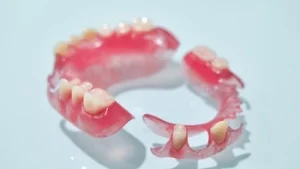 Removable Partial Dentures
Removable partial dentures are widely used and can be taken out for cleaning. They are usually worn during waking hours and removed as part of daily care.
This type of denture may replace teeth in a single area or across several parts of the mouth. It is often selected by patients who prefer a solution that is easy to handle and maintain.
Flexible Partial Dentures
Flexible partial dentures are produced using softer, bendable materials. They do not rely on metal clasps and are shaped to sit closely against the gums for a more natural appearance.
Some people find that these dentures feel lighter in the mouth. However, whether they are suitable depends on the location of the missing teeth and the amount of support available.
Metal Dentures
Metal partial dentures use a slim metal framework to provide strength. This allows the denture to be thinner while still holding the artificial teeth securely.
They are commonly chosen when durability is a priority and a more robust design is needed for long-term use.
Acrylic Dentures
Acrylic partial dentures are made mainly from acrylic-based materials. They are sometimes used as a short-term option or when a straightforward design is appropriate.
Fixed Partial Denture
A fixed partial denture is placed so that it remains in position and is not removed by the patient. This type is used in selected situations where extra stability is required, and suitable support is available from nearby teeth or structures.
When a Denture May Feel Loose
A partial denture should feel secure when properly fitted. However, changes in the mouth can sometimes cause a denture to feel loose over time.
This may happen due to:
- Natural changes in the gums
- Movement of supporting teeth
- General wear of the denture
A poorly fitting denture can lead to rubbing, discomfort, or difficulty chewing. It may also place extra pressure on nearby teeth or gums.
If a denture begins to move or cause soreness, it is important not to ignore it. Adjustments can often be made to improve comfort and fit.
Common Oral Health Issues to Be Aware Of
Partial dentures rely on healthy gums and teeth for support. If oral health changes, denture comfort may be affected.
One concern is gum disease, which can develop if plaque builds up around teeth and denture clasps. Signs may include redness, swelling, or bleeding gums.
Another common issue is dry mouth. Saliva helps dentures rest comfortably against the gums, and ongoing dry mouth may make dentures feel more noticeable or uncomfortable during daily use.
Maintaining good cleaning habits and attending regular dental reviews helps reduce these risks and supports long-term comfort.
When to See a Dentist Immediately
Some situations require prompt attention. You should see a dentist immediately if you experience:
- Ongoing pain or swelling
- Signs of infection
- Sudden changes in how the denture fits
- Difficulty eating or speaking due to denture movement
Early review helps prevent small problems from becoming more serious and protects the remaining teeth.
Making and Fitting Partial Dentures
The process of making dentures involves careful planning to ensure the denture fits well and functions properly.
A dentist will assess:
- The condition of your teeth and gums
- The position of missing teeth
- The shape of the jaw and bite
Impressions are taken so the denture fits closely around existing teeth and the gums. Once fitted, adjustments may be needed to improve comfort, especially during the early adjustment period.
For people receiving new dentures, follow-up visits are an important part of the process. These visits allow small changes to be made as the mouth adapts.
Caring for Partial Dentures and Natural Teeth
Good care helps protect both the denture and your remaining teeth. Cleaning should be gentle but thorough.
Daily care usually includes:
- Removing the denture for cleaning
- Using a soft toothbrush to clean natural teeth and gums
- Brushing the denture with appropriate products
Avoid using harsh cleaners that may damage the denture materials. Keeping both the denture and mouth clean supports comfort and long-term oral health.
Choosing the Right Denture Option
Partial dentures are one type of denture solution. They are often chosen when patients want to replace missing teeth while keeping healthy teeth in place.
They may suit people who:
- Have experienced tooth loss, but still have stable teeth.
- Prefer a removable option.
- Want to restore comfort, function, and appearance.
A dentist can assess your mouth, jaw, and oral health, then explain whether partial dentures are appropriate as part of your overall treatment plan.
Factors to Consider Before Choosing a Partial Denture
Key factors to consider before choosing this type of tooth replacement.
Considering the health of your remaining teeth
Partial dentures are designed to work alongside existing teeth, not replace them. For this reason, the condition and position of your remaining teeth play an important role in whether this option is suitable. Teeth that are stable and well supported can help the denture sit comfortably and function as intended.
If supporting teeth are already under strain, this may influence the design or whether a partial denture is recommended.
Thinking about how it fits into daily routines
Some patients prefer a removable solution rather than something fixed in place. Partial dentures can be taken out for cleaning, which may feel more manageable for people who value flexibility in their daily routine.
This option may suit those who:
- Prefer to remove their denture at night.
- Want easier access for cleaning.
- Feel more comfortable with a removable appliance.
 Lifestyle and communication needs
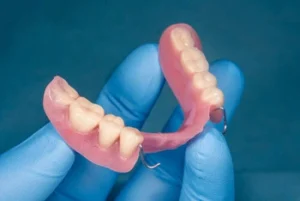 Lifestyle and communication needs
Everyday habits also matter. Eating patterns, speech demands, and social interactions can affect how a denture feels in use. Discussing these factors helps guide the design and placement of the denture so it suits your lifestyle.
This includes:
- Types of foods you eat regularly
- How often you speak for work or social reasons
- Comfort in public settings
Making an informed choice
Personal preference is an important part of the decision. Some people prioritise ease of use, while others focus on appearance or feel. There is no single option that suits everyone.
A dentist can help assess your mouth, explain how a partial denture would function in your situation, and answer questions.
Partial Dentures and Long-Term Changes in the Jaw
Over time, the jaw and underlying bone can change, especially after tooth loss. These changes may affect how a denture fits.
Partial dentures help distribute pressure during chewing, but they do not fully stop natural changes in bone shape. Regular dental reviews allow changes to be monitored and managed early.
This is especially important for dentures worn in the lower jaw, where movement can be more noticeable.
Final Thoughts
Understanding what a partial denture is helps you make informed decisions about tooth replacement. Partial dentures replace missing teeth, support everyday function, and help maintain balance in the mouth.
With proper fitting, regular care, and professional guidance, partial dentures can integrate smoothly into daily life and support long-term oral health.
If you’re concerned about missing teeth or want clear guidance on whether a partial denture may suit your situation, you can book a consultation with us at The Smile Workx or call (07) 5300 2133 to discuss your options in a calm, no-pressure setting.
Resources
Kubala, J. (2023). ‘Soft Food Diet: Foods to Eat and Foods to Avoid’. Healthline, 15 March. San Francisco, CA: Healthline Media.
https://www.healthline.com/nutrition/soft-food-diet
Mayo Clinic Staff. (2024). ‘Dental Implant Surgery’. Mayo Clinic, 23 October. Rochester, MN: Mayo Foundation for Medical Education and Research.
https://www.mayoclinic.org/tests-procedures/dental-implant-surgery/about/pac-20384622
Cleveland Clinic Editorial Team. (2023). ‘Cavities’. Cleveland Clinic, 27 March. Cleveland, OH: Cleveland Clinic.
https://my.clevelandclinic.org/health/diseases/10946-cavities
Healthdirect Australia Editorial Team. (2023). ‘Dry Mouth Syndrome’. Healthdirect, October. Canberra, ACT: Australian Government Department of Health and Aged Care.
https://www.healthdirect.gov.au/dry-mouth-syndrome
Centers for Disease Control and Prevention. (2024). ‘About Tooth Loss’. CDC, 15 May. Atlanta, GA: U.S. Department of Health and Human Services.
https://www.cdc.gov/oral-health/about/about-tooth-loss.html
Note: Any surgical or invasive procedure carries risks. Before proceeding, you should seek a second opinion from an appropriately qualified health practitioner.